
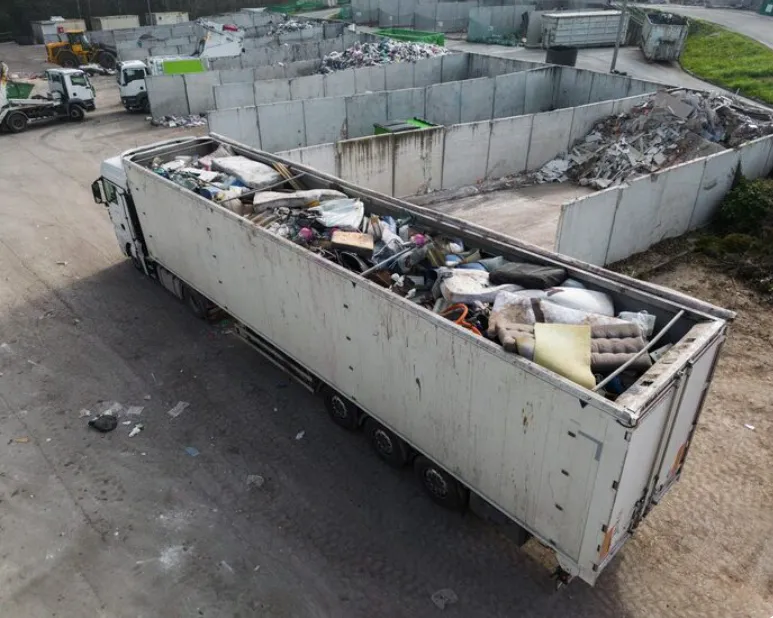
Structural concrete projects generate some of the heaviest and most demanding waste streams in the construction industry. Whether contractors are building foundations, parking structures, retaining walls, elevated decks, bridge components, commercial slabs, or industrial facilities, debris management plays an important role in maintaining productivity and keeping projects on schedule. While much of the focus is often placed on forming, reinforcing, pouring, and finishing concrete, the removal of waste materials before, during, and after construction is equally important for efficient operations.
Unlike general construction debris, concrete-related waste can be extremely dense and difficult to handle. Broken concrete, excess material, formwork remnants, packaging, and reinforcement scraps can quickly accumulate around active work zones. Without a structured debris removal strategy, these materials can interfere with equipment movement, create congestion, and reduce labor efficiency throughout the project.
Why Structural Concrete Projects Generate Significant Debris
Many contractors associate concrete debris primarily with demolition, but structural concrete work creates waste even on new construction projects. Site preparation often involves clearing vegetation, removing existing materials, and excavating soil before concrete operations can begin.
During construction, crews generate waste from formwork materials, reinforcing steel packaging, cut rebar, protective wrapping, pallets, and leftover supplies. Concrete pours may also produce excess material that must be handled appropriately. If the project includes demolition or replacement of existing structural elements, debris volumes increase substantially.
Because waste is generated throughout multiple phases of work, contractors need a plan that supports continuous cleanup rather than occasional removal.
Developing a Debris Management Plan Before Work Begins
The most successful concrete projects start with planning. Contractors should evaluate the scope of the work and estimate the types and volumes of debris likely to be generated during each phase of construction.
This planning process includes identifying disposal locations, determining container requirements, establishing haul routes, and coordinating cleanup schedules alongside project milestones. Contractors should also consider equipment access and staging areas to ensure waste removal supports rather than disrupts concrete operations.
Developing a structured debris management plan before construction begins helps reduce delays and improve overall site organization.
Preparation supports stronger operational control throughout the project.
Coordinating Removal with Project Phases
Structural concrete work typically progresses through several stages, each producing different waste streams. Excavation and site preparation generate soil, vegetation, and demolition debris. Formwork installation creates packaging waste and scrap materials, while reinforcing operations produce rebar cutoffs and related debris.
After pours are completed, cleanup may involve removing formwork materials, collecting excess supplies, and preparing work areas for subsequent phases. Contractors should align debris removal schedules with these stages to ensure cleanup keeps pace with production.
Coordinated removal helps prevent waste accumulation and supports smoother transitions between construction activities.
Timing plays a major role in maintaining efficiency.
Managing Heavy Concrete Debris Efficiently
When structural concrete projects involve demolition, repair, or replacement work, contractors must manage large quantities of heavy debris. Broken slabs, foundation sections, retaining walls, and structural components can generate significant weight in a short amount of time.
Allowing these materials to accumulate around active work zones can restrict access and interfere with ongoing construction operations. Prompt removal helps preserve usable workspace and supports continued productivity across the site.
Heavy debris requires careful planning to ensure disposal resources remain available throughout the project.
Using Centralized Disposal Systems
Centralized disposal systems help contractors maintain cleaner and more organized jobsites during structural concrete work. Instead of creating temporary debris piles throughout the project area, crews can direct waste into designated disposal containers as materials are generated.
Working with providers such as Waste Removal USA gives contractors access to disposal solutions capable of supporting both new construction and concrete demolition projects. Centralized systems simplify cleanup efforts and reduce the amount of time workers spend handling debris.
This approach helps improve efficiency while maintaining stronger site organization.
Supporting Equipment Movement Around Concrete Operations
Concrete construction relies heavily on equipment such as excavators, loaders, telehandlers, cranes, pumps, and delivery trucks. Debris that accumulates near active work areas can interfere with equipment movement and reduce operational efficiency.
Contractors should maintain clear haul routes and staging areas throughout the project. Continuous cleanup helps preserve access for both construction equipment and material deliveries while reducing congestion around critical work zones.
Clear pathways support smoother workflow and improve productivity across the site. Organization becomes increasingly important as projects grow in scale.
Managing Formwork and Packaging Waste
A significant portion of debris generated during structural concrete work comes from support materials rather than concrete itself. Formwork systems, pallets, wrapping materials, reinforcement packaging, and temporary protection products all contribute to the project’s waste stream.
Without regular cleanup, these materials can spread quickly across staging areas and active work zones. Contractors should establish dedicated collection procedures for packaging and support materials throughout construction.
Managing these lighter debris streams effectively helps maintain a cleaner and more organized jobsite.
Supporting Multiple Crews on Active Projects
Large structural concrete projects often involve multiple teams working simultaneously. Excavation crews, formwork specialists, reinforcement installers, concrete finishers, and equipment operators may all be active on-site at the same time.
Without coordinated cleanup procedures, debris generated by one crew can interfere with the productivity of another. Contractors should establish standardized waste management expectations across all teams working on the project.
Consistency improves communication, organization, and overall project performance. Clear expectations support smoother collaboration between trades.
Reducing Labor Costs Through Continuous Cleanup
One of the most common inefficiencies on concrete projects is repeated handling of debris. Temporary staging piles often require workers to move materials multiple times before final disposal.
Continuous cleanup helps eliminate unnecessary handling by encouraging direct disposal whenever possible. Contractors who maintain steady debris flow spend less time managing waste and more time advancing productive construction activities.
Reducing extra movement supports stronger labor efficiency and helps control project costs.
Adapting to Changing Project Conditions
Structural concrete projects frequently evolve as work progresses. Design modifications, unforeseen site conditions, weather delays, or expanded project scope can all affect debris generation and disposal requirements.
Contractors should remain flexible and adjust waste management plans when necessary. This may involve increasing disposal capacity, modifying removal schedules, or repositioning containers to support changing site conditions.
Adaptability helps maintain project momentum and prevents waste-related disruptions from affecting construction schedules.
Preparation supports better problem-solving throughout the project.
Maintaining Professional and Organized Jobsites
Project owners, inspectors, engineers, and stakeholders often visit active concrete construction sites. Maintaining organized conditions helps create a professional appearance and demonstrates strong project management practices.
Consistent debris removal reduces clutter, improves visibility, and makes it easier to monitor progress throughout construction. Cleaner worksites also contribute to safer working conditions and better overall coordination between crews.
Professional site management reflects positively on the entire construction team.
Avoiding Common Debris Management Mistakes
Several common mistakes can reduce efficiency during structural concrete projects. These include underestimating debris volume, delaying cleanup until waste becomes excessive, and failing to coordinate removal with active construction phases.
Another frequent issue is allowing formwork materials, packaging waste, or demolition debris to accumulate around staging areas and equipment routes.
Avoiding these problems requires proactive planning, ongoing monitoring, and consistent communication between contractors and disposal providers.
Attention to operational details improves project outcomes.
Supporting Faster and More Efficient Concrete Construction
Effective debris management contributes directly to smoother operations during structural concrete work. When waste is handled properly, crews can work more efficiently, equipment access remains clear, and project phases transition more smoothly.
This leads to improved labor productivity, cleaner jobsites, and stronger schedule control throughout the project. Contractors who prioritize debris removal are often better positioned to complete structural concrete work on time and with fewer disruptions.
Efficiency improves when waste management is integrated into the overall construction strategy.
Planning debris removal for structural concrete work is an essential part of maintaining organized, productive, and efficient construction operations. From site preparation and formwork installation to concrete placement and final cleanup, waste is generated continuously and must be managed proactively.
By coordinating removal schedules with construction phases, maintaining centralized disposal systems, supporting equipment access, and adapting to changing project conditions, contractors can keep concrete projects cleaner and more productive from start to finish.
When debris management is treated as a core operational process, contractors can reduce delays, improve labor efficiency, and complete structural concrete projects with greater consistency, organization, and control.