
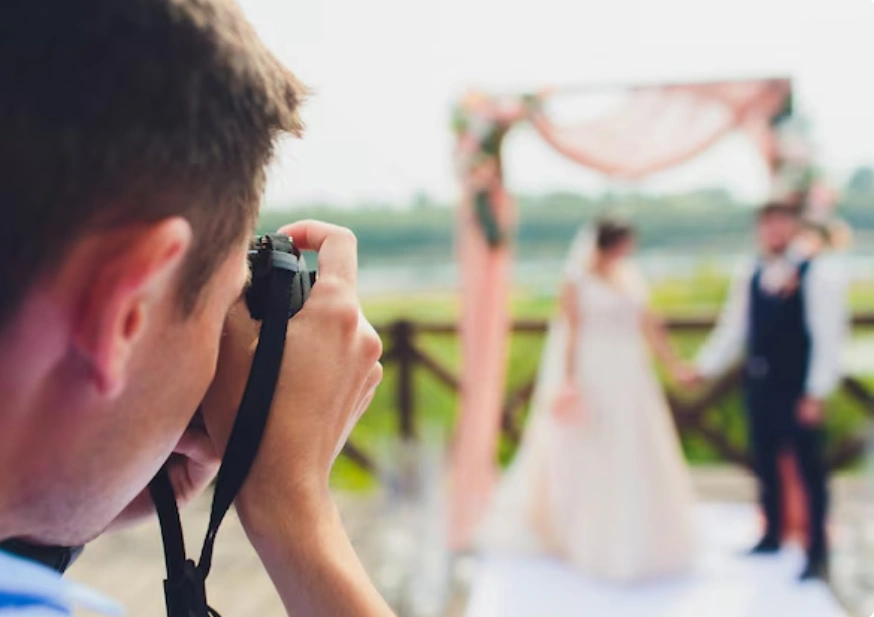
The way wedding films are created has changed a lot over the last few years. Cameras are producing sharper images than ever, drones have become a standard part of many wedding packages, and couples expect their videos to feel like short films rather than simple recordings of the day. While these changes have raised the quality of wedding films, they’ve also made the editing process far more demanding.
For many videographers, filming the wedding is only half the job. The real challenge often begins once they return to the studio with hours of footage waiting to be sorted, edited, and polished.
What Happens After the Wedding Day?
It’s easy to underestimate how much work goes into a finished wedding film. Before a couple watches their first highlight reel, someone has already spent many hours organizing clips, syncing footage from different cameras, improving the sound, correcting colors, and selecting the moments that tell the story best.
Every wedding is different, which means editors can’t simply follow the same template every time. The strongest films are built around genuine emotions, natural pacing, and thoughtful storytelling rather than flashy effects.
Technology Makes Things Faster, Not Easier
Editing software has improved dramatically. Features like automatic synchronization, AI-assisted organization, and cloud collaboration save editors valuable time. Even so, technology doesn’t make the creative decisions.
Knowing where to slow the pace, when to let a conversation breathe, or how to match music with real emotions still depends on the experience of the person behind the screen. Those details are what separate an average wedding video from one that couples watch over and over again.
Why Outsourcing Has Become So Popular
As wedding businesses grow, many owners discover that editing is the biggest obstacle to taking on more bookings. Instead of hiring a large in-house team, they’re choosing to work with experienced post-production companies that specialize in wedding films.
This gives videographers more time to focus on filming, meeting clients, and running their businesses while knowing the editing is being handled by professionals.
When comparing different providers, many studios look beyond the headline wedding video editing cost. Turnaround time, communication, consistency, and the overall quality of the final film often matter just as much as the price itself.
Investing in Better Workflows
Outsourcing isn’t simply about reducing expenses. For many production companies, it’s a practical way to improve efficiency without sacrificing quality. A dependable editing partner helps projects move forward even during the busiest months of the year, making it easier to deliver films on time and maintain a strong reputation.
As more creative businesses embrace remote collaboration, professional editing support has become a normal part of running a modern wedding studio.
Looking Forward
Wedding filmmaking will continue to evolve alongside new technology, but one thing isn’t likely to change. Couples want films that feel authentic and capture the emotions of their day. The software may become faster every year, but creating a memorable story will always rely on skilled editors who know how to turn hours of raw footage into something people will enjoy watching for years to come.